



horizontal mud agitators in china
Advanced Solutions for Hot and Cold Steel Processing Beijing Yang Wang Li Xin Sci&Tech Co.,Ltd. Industry leader in rolling mill solutions since 2015, specializing in innovative Hot/Cold Rolling Production Lines for specialized applications like Z-type steel for ocean petroleum casing pipes. Web: https://www.bjywlx.com Tel: +86 10-63324628 Email: Alley.wang@bjywlx.com Mobile: +86 18630169310 Address: No.1518,LAR Valley Int'l, Guangwai Avenue, Xicheng District, Beijing, 100055 Explore Our Rolling Solutions Introduction to Reversible Rolling Mill Technology The reversible rolling mill represents a significant advancement in metal forming technology, offering unprecedented flexibility in both hot and cold steel processing applications. Unlike conventional unidirectional mills, reversible mills allow the workpiece to pass back and forth between rolls, achieving precise thickness reductions with enhanced efficiency. This technology has revolutionized production capabilities in steel manufacturing facilities worldwide. At Beijing Yang Wang Li Xin Sci&Tech Co.,Ltd. , we specialize in designing and implementing cutting-edge reversible rolling systems for both hot strip steel mill and cold rolling mill applications. Our solutions integrate decades of metallurgical expertise with advanced control systems to deliver exceptional performance. Contemporary reversible rolling mills can process a wide variety of metals including carbon steel, stainless steel, aluminum alloys, and specialty metals. Modern installations like our Hot/Cold Rolling Production Line incorporate precision hydraulic gap control, automatic shape detection, and closed-loop tension systems that ensure dimensional tolerances within ±0.5% of target thickness. Technical Parameters of Modern Reversible Mills The engineering specifications of reversible rolling equipment have evolved significantly over the past decade. Below is a comprehensive comparison of technical parameters across various mill types: Parameter Reversible Hot Mill Reversible Cold Mill Tandem Mill Rolling Speed 6-12 m/s 15-42 m/s 8-25 m/s Max. Roll Force 4,500-6,000 tons 2,500-3,500 tons 1,200-2,500 tons Material Thickness Range 10-250 mm 0.15-6 mm 0.5-6 mm Width Capacity 1,000-2,500 mm 600-2,100 mm 600-2,100 mm Thickness Tolerance ±0.5-1% ±0.1-0.5% ±0.5-1.5% Annual Capacity 500,000-1.5M tons 300,000-800,000 tons 250,000-500,000 tons The flexibility of reversible rolling mill technology allows for processing of a wider range of materials compared to conventional rolling systems. Modern designs incorporate sophisticated automation that reduces setup time between product changes by up to 70%, resulting in significant efficiency improvements in batch processing environments. "Reversible mills have become the backbone of modern steel production, offering unmatched flexibility in today's demanding manufacturing environment." - International Journal of Advanced Manufacturing Technology ( Source ) Technological Evolution: Reversible Mills Innovation Highlight: YWLX Z-type Steel Production In 2015, Beijing Yang Wang Li Xin Sci&Tech Co.,Ltd. successfully developed the first production line of special Z-type steel for ZSB ocean petroleum casing pipe. This revolutionary reversible rolling mill solution addressed critical import dependency issues that affected China's energy sector. Our achievement broke a longstanding international monopoly held by Japanese and German manufacturers. By leveraging our R&D capabilities and decades of experience in metallurgical processes, YWLX engineers developed a unique rolling pass design that solved complex technical challenges in Z-type steel production. Our proprietary process incorporates: Advanced roll pass design specifically for Z-profiles Precision temperature control during hot rolling Closed-loop thickness control with ±0.15mm tolerance Automated surface inspection systems Energy-optimized reversing cycle algorithms The operational success of our Hot/Cold Rolling Production Line demonstrates how specialized reversible rolling mill technology can achieve import substitution while creating significant value for the petroleum industry. Industry Applications & Market Trends The versatility of reversible rolling mill technology makes it suitable for diverse industrial applications: Hot Rolling Applications Reversible hot mills are extensively used in initial breakdown operations for slabs and blooms. Modern facilities incorporate inline heat treatment capabilities that allow: Production of heavy plates for shipbuilding (up to 250mm thickness) Steel coils for automotive chassis components Structural steel beams and columns for construction Cold Rolling Applications Reversible cold mills produce high-precision thin gauge materials for: Automotive body panels and wheel rims Appliance and electronics housings Specialty packaging materials "The global reversible rolling mill market is projected to reach $4.78B by 2028, driven by increased demand from construction and automotive sectors." - Steel Times International Market Report 2024 ( Source ) Current industry developments indicate a strong shift toward digitization and sustainability in rolling mill design: Implementation of AI-based predictive maintenance systems Integration of hydrogen-based heating technologies Energy recovery systems capturing up to 35% of braking energy Water consumption reduced by 50% in modern designs Professional FAQ: Rolling Mill Technology Q: What are the critical differences between hot and cold reversible rolling processes? A: Hot reversible rolling mill processes operate above recrystallization temperatures (typically 1000-1250°C) to reduce force requirements when processing thick sections. Cold rolling occurs at room temperature and achieves superior surface finishes and tighter tolerances (±0.1mm), but requires significantly higher forces for equivalent reductions. Q: What material grades can be processed with modern reversible mills? A: Contemporary reversible mills process carbon steels (1010-1095 series), alloy steels (4140, 4340), stainless grades (300 & 400 series), nickel alloys, titanium alloys, and various non-ferrous materials. The specific capabilities depend on roll composition and mill design. Q: What installation standards apply to rolling mill foundations? A: Rolling mill foundations must comply with ISO 1940-1 (balance quality requirements) and ISO 10816 (vibration severity standards). Foundation mass typically exceeds 3-5 times the mill mass to absorb dynamic loads. Concrete specifications require >35MPa compressive strength with vibration-dampening additives. Q: How do crown control systems work in reversible mills? A: Modern mills incorporate hydraulic roll bending systems or variable crown rolls that dynamically adjust roll curvature during operation. Closed-loop control systems continuously monitor strip profile using laser scanners and make micron-level adjustments at speeds of up to 15m/s. Q: What safety standards apply to rolling mill operation? A: Rolling mills must comply with ISO 13849 (safety-related control systems) and ANSI B11 standards. Critical systems include emergency roll separation, anti-whip devices, infrared body detection systems, and double-redundant PLC controls with SIL-3 safety rating for all protection functions. Q: How have digital twins transformed rolling mill operations? A: Digital twin technology creates virtual replicas of physical mills that run in parallel to actual operations. These systems predict roll wear patterns, optimize pass schedules, simulate thermal expansion effects, and forecast maintenance needs with accuracy exceeding 95% in modern implementations. Q: What are the key maintenance considerations for reversible mills? A: Regular roll reconditioning is essential with typical intervals of 2-4 weeks for work rolls and 4-6 months for backup rolls. Vibration analysis should be conducted monthly and bearing replacement is typically required after 18-36 months of operation. Modern mills integrate IoT sensors that track bearing temperature, vibration frequency, and oil condition continuously. Future Outlook and Innovations The future of reversible rolling mill technology includes several groundbreaking developments: Intelligent Mills Next-generation mills incorporate AI systems that optimize rolling parameters in real-time. Machine learning algorithms analyze over 5,000 process variables per second to achieve unprecedented consistency in material properties and dimensional tolerances. Gigastrength Steels New metallurgical compositions requiring specialized rolling techniques are being developed. YWLX is collaborating with research institutions on rolling processes for advanced high-strength steels (AHSS) and medium manganese steels capable of 1.5-2.0GPa tensile strength for automotive lightweighting. Sustainable Operations The industry is moving toward zero-carbon rolling operations. YWLX is developing hydrogen-fueled reheating furnaces and induction-assisted rolling technologies that reduce energy consumption by up to 45% compared to conventional mills. "Reversible mills will increasingly function as flexible 'material design' platforms rather than simple thickness reduction systems." - Dr. Elena Rodriguez, Metallurgy Research Director ( Journal of Materials Processing Technology ) The integration of additive manufacturing techniques with rolling processes presents particularly exciting opportunities. Emerging hybrid methods allow localized microstructure engineering during rolling operations, enabling functionally graded materials with tailored mechanical properties across a single workpiece. Technical References Miao, X., & Zhang, L. (2024). Optimization of pass scheduling in reversible hot rolling of heavy plates. International Journal of Mechanical Sciences . Read full study Global Steel Report 2023: Rolling Mill Efficiency Benchmarks. World Steel Association . View report Chen, W., et al. (2023). Advanced control systems for thickness variation minimization in cold rolling mills. Journal of Process Control . Research paper Get Expert Rolling Mill Solutions Beijing Yang Wang Li Xin Sci&Tech Co.,Ltd. provides comprehensive reversible rolling mill solutions tailored to your specific production requirements. Contact: Alley Wang, Technical Director Email: Alley.wang@bjywlx.com Phone: +86 10-63324628 Mobile: +86 18630169310

We have successfully executed over 500
projects around the world,
many first-of-their-kind
research projects and products in China, including
We have successfully executed over 500
projects around the world,
many first-of-their-kind
research projects and products in China, including
-
2004
The 1st hydraulic AGC system for hot rolling of ribbon steel
-
2006
The 1st AFC system used for 1450mm skin pass mill
-
2009
The 1st 5-stand tandem line with 2-stand POR & Uncoiler for 650mm ribbon steel
-
2012
The 1st reversing mill for 1380mm strip
-
2016
The 1st soft-rolling system used in skin pass mill
-
2019
The 1st fully automated medium-width tandem cold rolling mill
-
2021
The 1st 5000KN Twin-stand double skin pass mill
-
2022
The 1st coupled pickling line & tandem cold mill with two modes - big roller & small roller
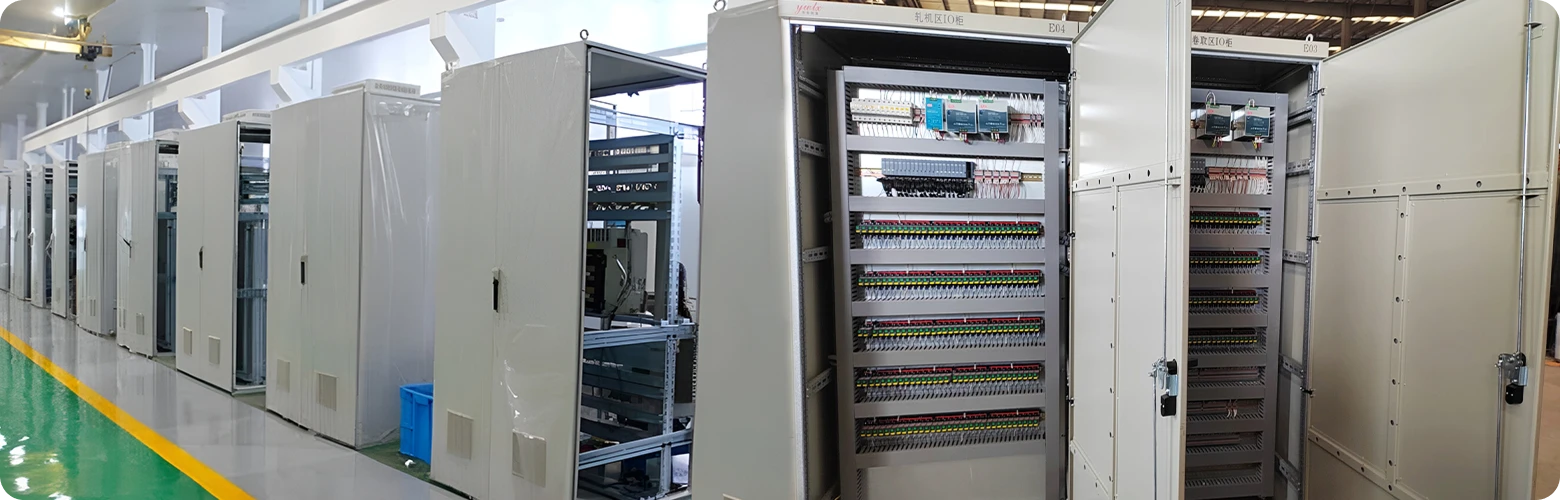
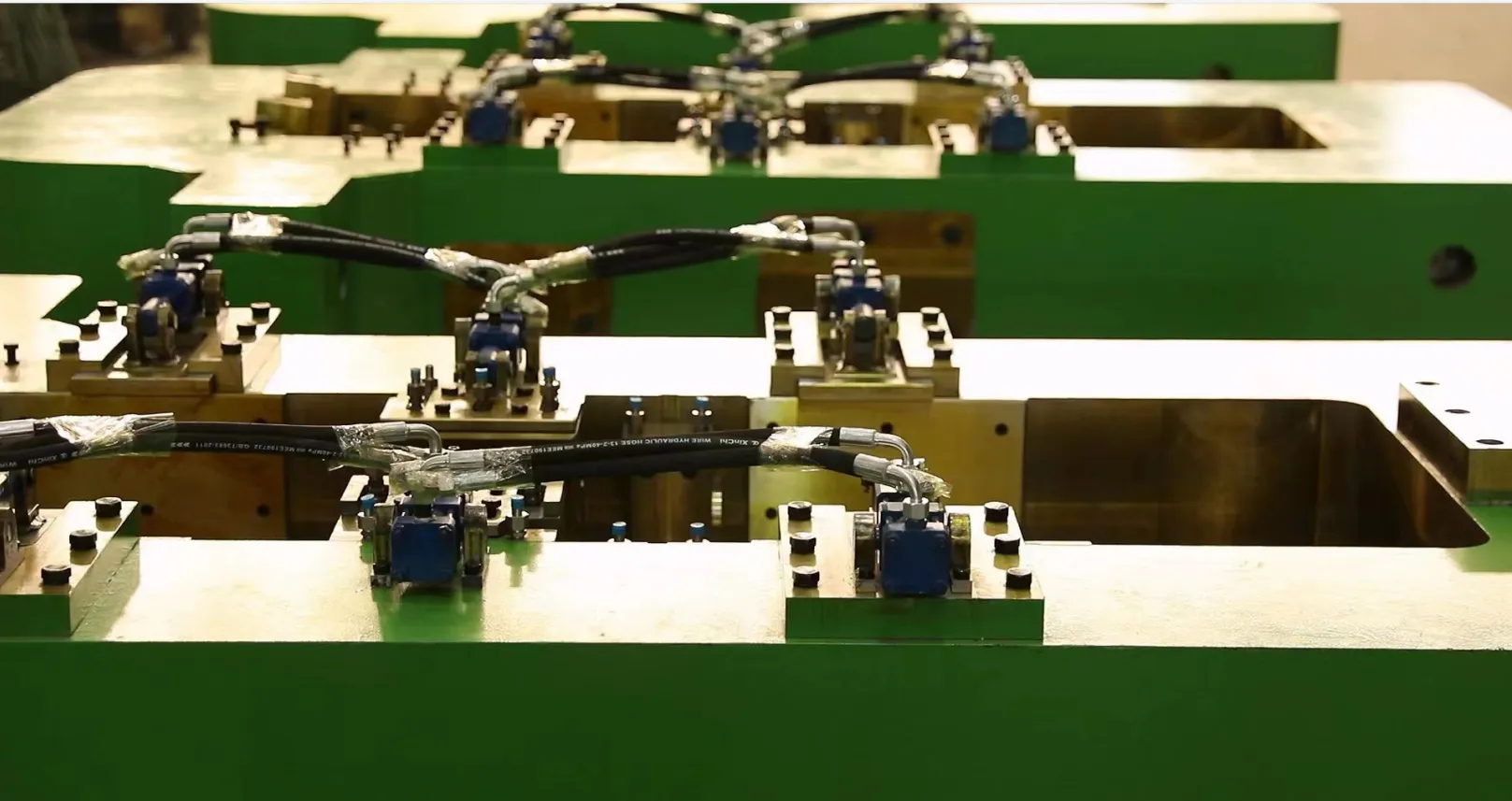
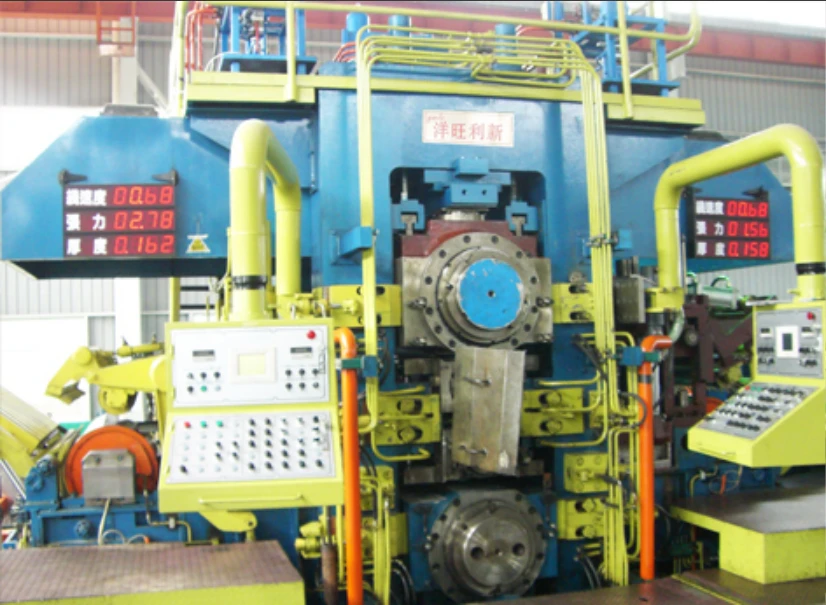
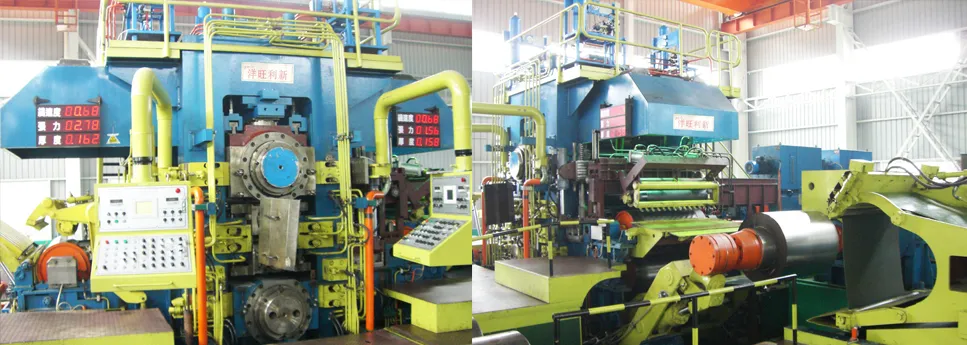
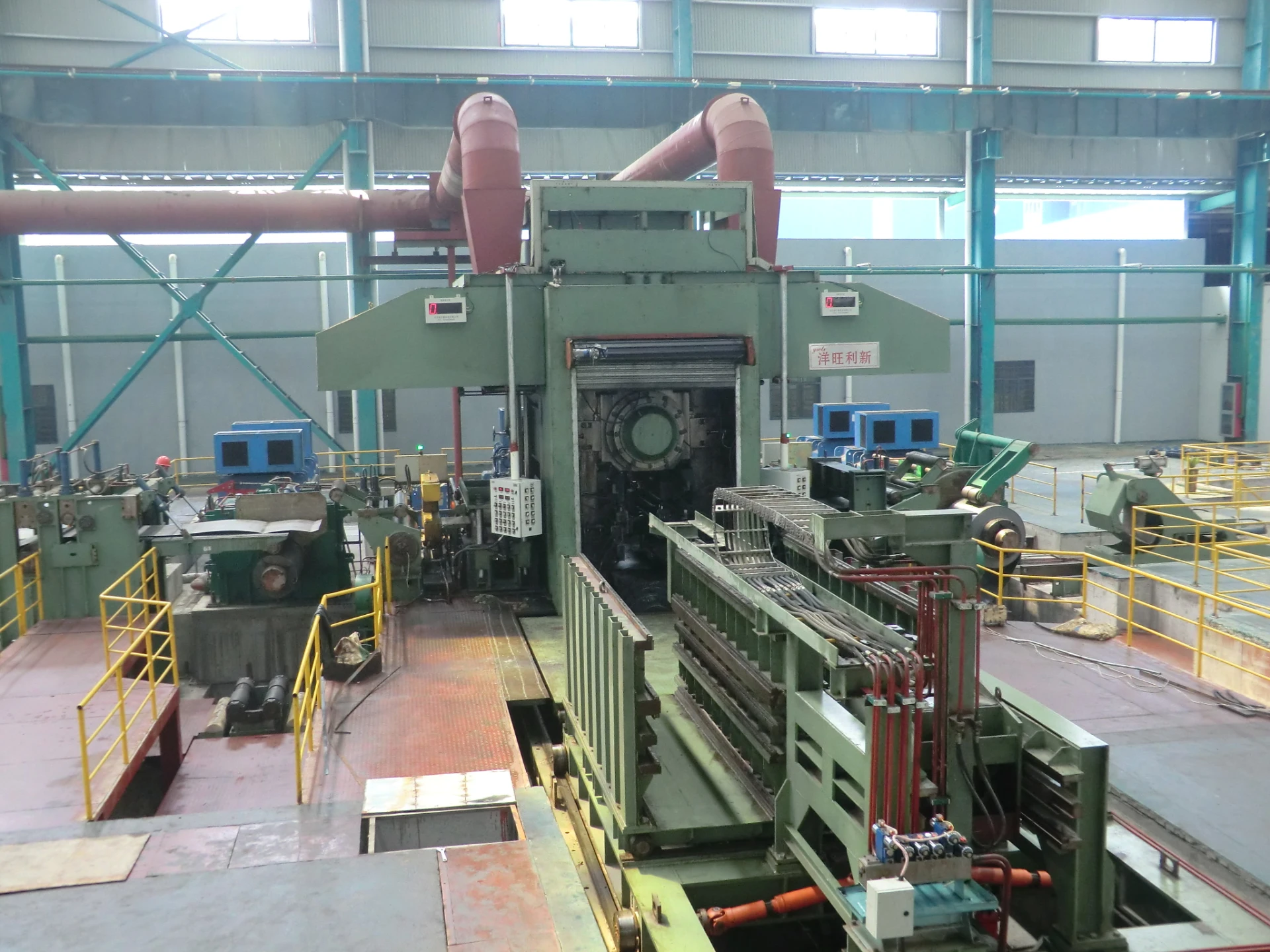

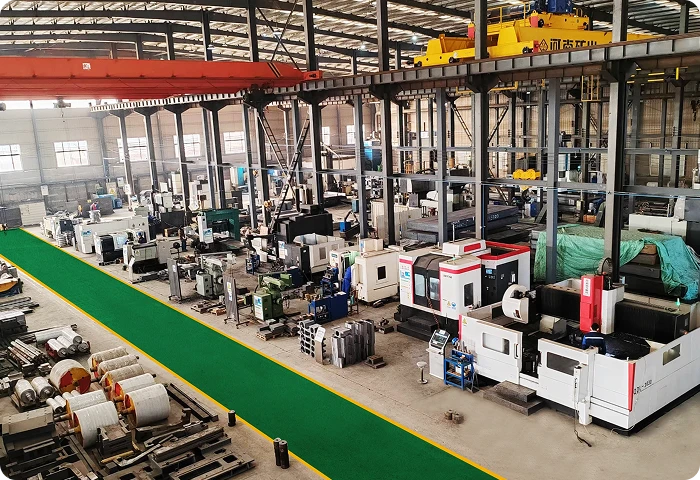
Yang Wang Li Xin operates a state-of-the-art facility over 66,000 square meters,and our manufacturing facility is fully equipped with high-tech machinery and high-capacity cranes. This enables us to handle large work pieces measuring 4.5m in width, 10m in length, and 1.5m in height, guaranteeing our capacity to produce 1800mm skin-pass mills and 1450mm rolling mills. The individual piece can weigh up to 100 tons.

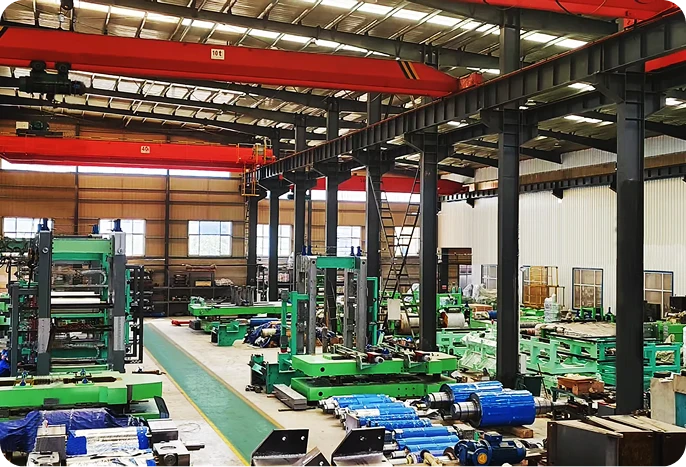

Quality is fundamental to the enterprise survival. We have established a comprehensive and meticulous quality management system and have successfully obtained ISO14000 certification. Starting from the design source, it supervises the entire production cycle, including design, procurement, processing, assembly, in-factory testing, installation, and online commissioning. The workshop is equipped with measuring tools like vernier calipers, spectrometers, hardness testers, and ultrasonic flaw detectors. They are used to check materials and control tolerances to ensure the final equipment meets or exceeds requirements. All products have a unique code, This enables the easy identification and traceability of the equipment components and ensures full control of quality.


-
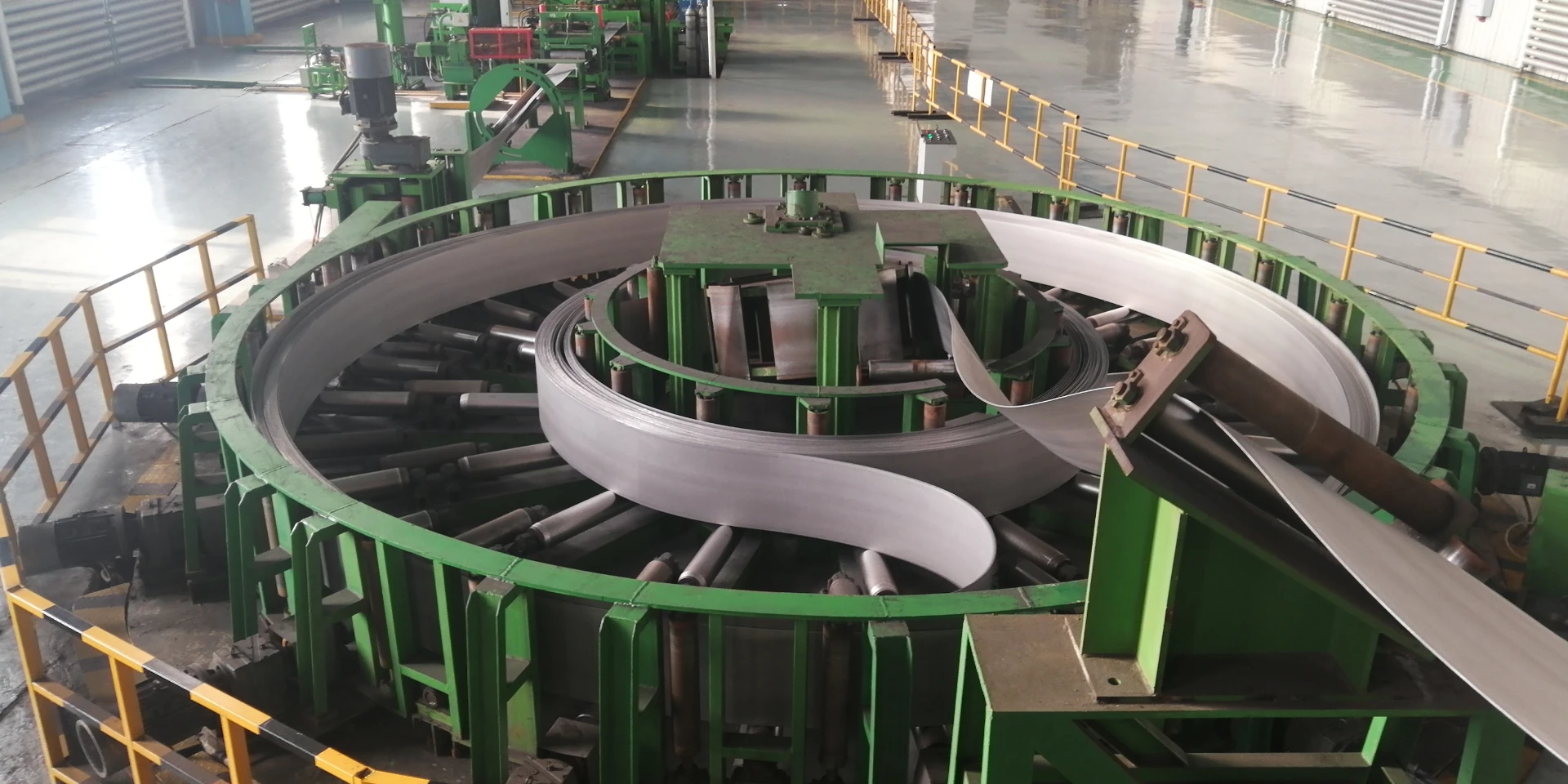 azienda di laminazioneAzienda di laminazione, renowned for its cutting-edge metal processing technology, stands as an epitome of excellence in the field of metal lamination. Rooted in decades of tradition yet constantly evolving with the latest innovations, this company embodies a fusion of experience, technical expertise, and trustworthiness that guarantees superior quality and customer satisfaction. In the realm of m
 -
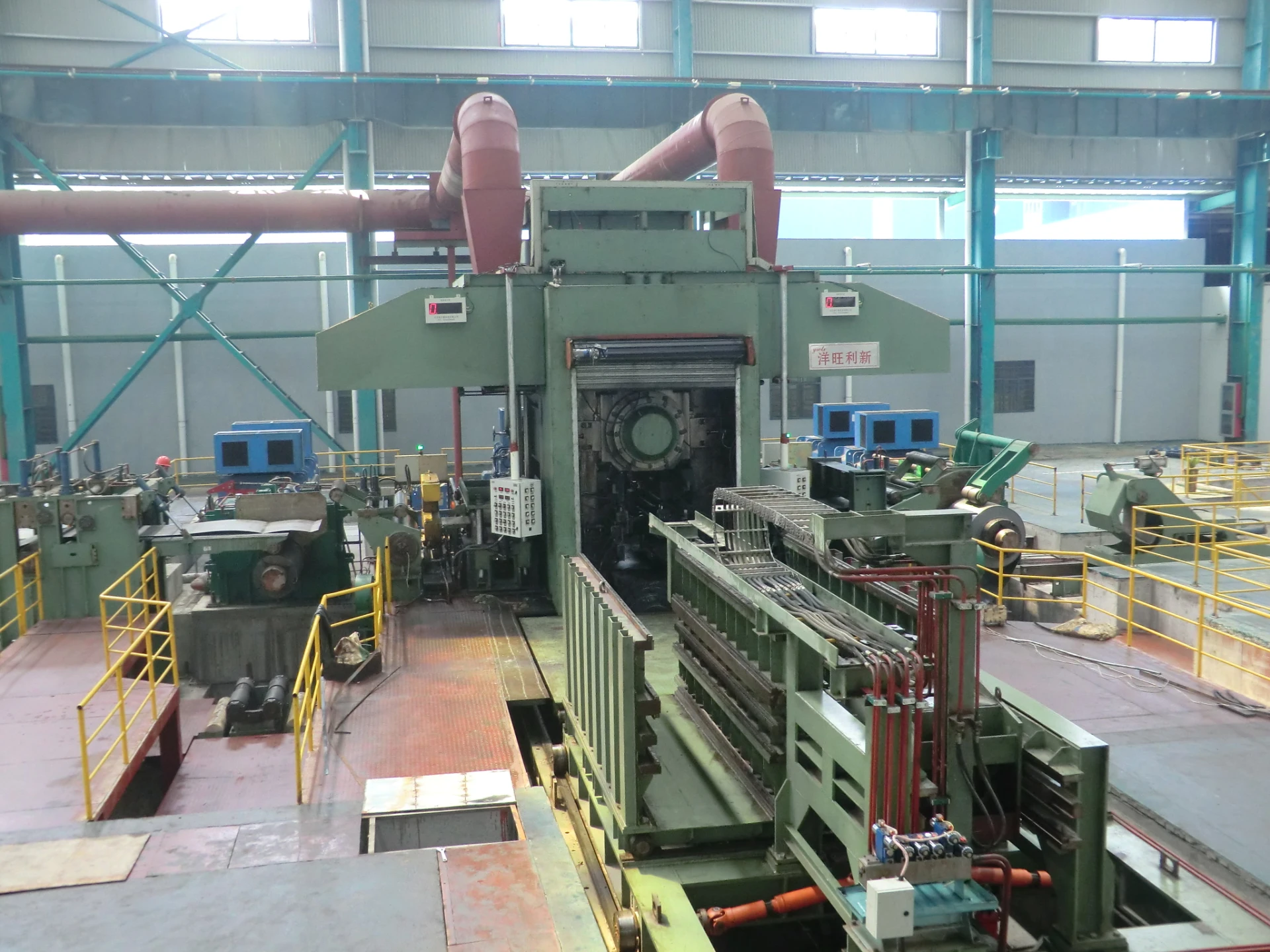 Quality Determinants in Hot Rolling Mill ProductsThe hot rolling mill serves as the critical process stage where fundamental product quality characteristics are established. While steel chemistry is determined during primary production, the hot steel rolling mill controls the thermomechanical processing that develops the final microstructure and mechanical properties. Several interrelated factors contribute to this quality-determining function t
 -
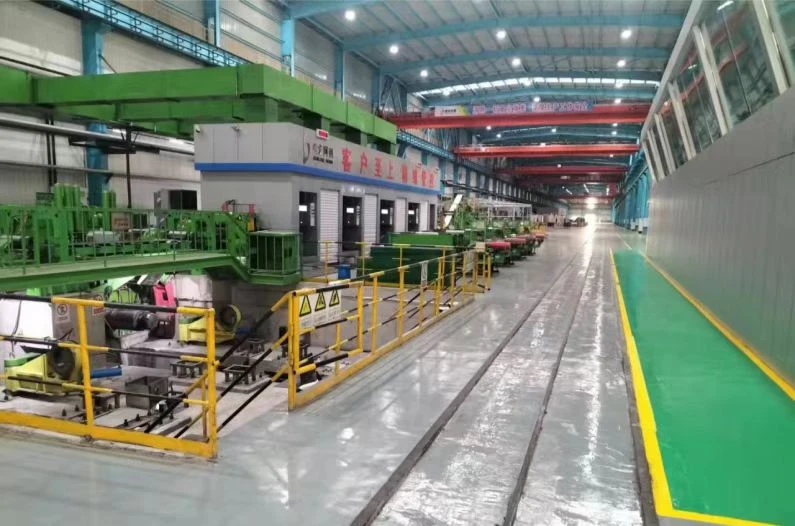 Mass Flow AGC: Stable Gauge Control for High-Speed RollingIn today's demanding metal processing industry, maintaining precise strip thickness control at high rolling speeds presents one of the most significant challenges for cold rolling mills. Conventional automatic gauge control (AGC) systems often struggle to compensate for rapid disturbances in material properties and mill dynamics. This is where Mass Flow AGC emerges as an advanced solution, fundame


